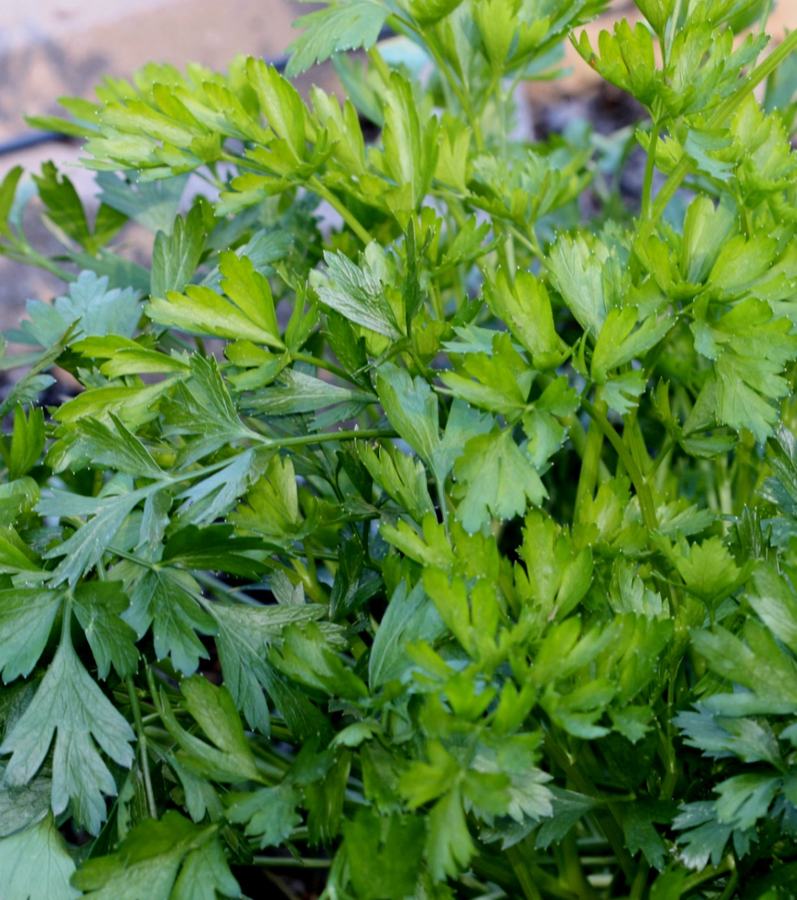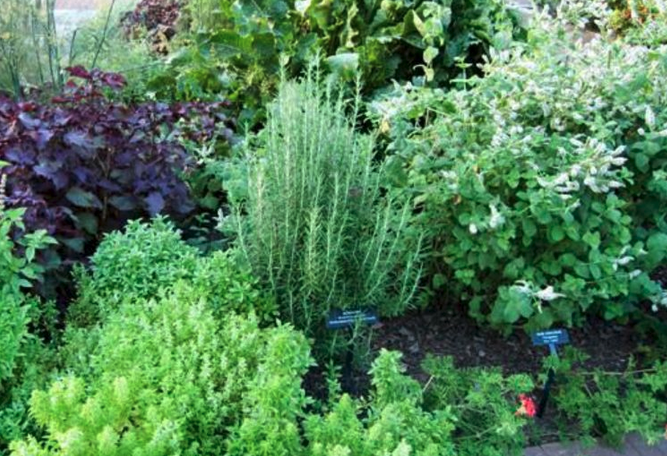
Herbs are enjoying unprecedented popularity today. More and more people are using herbs in their landscapes as pollinators, for homemade crafts, medicinal purposes, and of course for cooking! When it comes to preparing for Thanksgiving and Christmas, fresh herbs are essential for enriching the flavor of your holiday dishes. Whether it's sage for your turkey, rosemary for your potatoes, or thyme for your stuffing or green bean casserole, having access to fresh pungent, flavorful herbs can make all the difference in creating your family’s favorite holiday meal.
If you want fresh herbs for the holidays, consider planning your garden next spring with the herbs you enjoy using the most. For example, thyme and rosemary are very hardy and can be picked fresh outside, even in snowy weather. Others, like sage, may be available in temperate and warm climates. Unfortunately, not very many herbs are winter hardy, but some can overwinter well. Chives, rosemary, thyme, oregano, and parsley all overwinter but may not have any of those tasty leaves in evidence during winter. If necessary, plan ahead and dry your herbs for use during the holidays.
Herbs as a group are relatively easy to grow. Optimum growing conditions for herbs vary with each individual herb species. Some of the herbs familiar to Americans, such as lavender, rosemary, thyme, bay laurel, marjoram, dill, and oregano are native to the Mediterranean region. These herbs grow best in soils with excellent drainage, bright sun, and moderate temperatures.
When growing herbs follow these basic guidelines:- Plant herbs in average garden soil with organic matter added to improve texture and drainage.
- Choose a site that receives at least 6 hours of direct sun each day.
- Avoid ground where water stands or runs during heavy rains.
- Compensate for poor drainage with raised beds amended with compost.
- Apply balanced fertilizers sparingly to leafy, fast‑growing herbs. Heavy applications of
- fertilizer, especially those containing large amounts of nitrogen, will decrease the concentration of essential oils in the lush green growth.
Some of the easiest‑to‑grow, perennial, cooking herbs are mints. There are many mint cultivars e.g., peppermint, lemon and chocolate and should only be grown in pot(s). Other trouble free herbs include thyme, chive and sage. All of these are commonly available as transplants from nurseries or as seeds from catalogs or garden centers.
Other popular, straightforward, culinary herbs include the annuals such as anise, dill and borage. Anise is used for flavoring cakes and cookies. Fresh Dill adds a grassy, lemony, refreshing taste in salad dressings and fish dishes. If you want to give your drinks or sauces the flavor of cucumbers, try borage with its bright blue flowers.
Herbs are great fun to grow and use so be creative, expand and explore the realm of herb gardening with a focus on growing culinary seasonings for next year’s Thanksgiving and Christmas meals.